






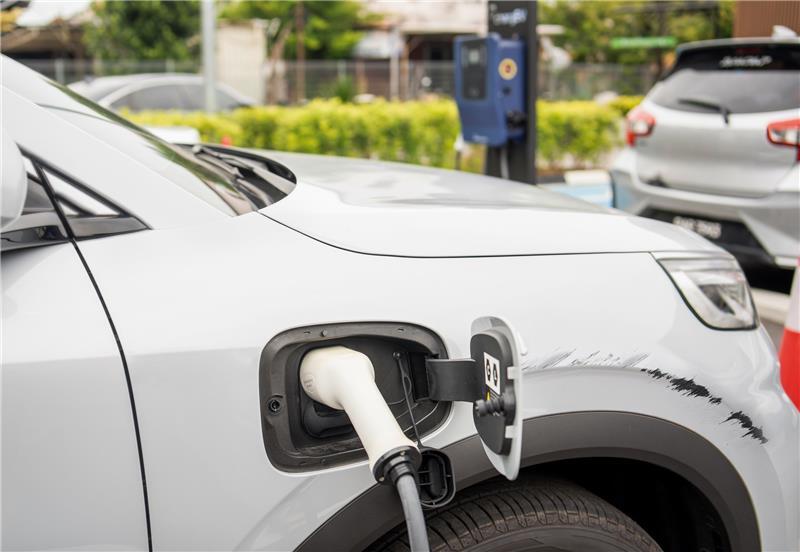








As sales of electric vehicles continue to rise, the industry is facing a challenge that perhaps isn’t getting enough attention: how we safely and sensibly handle EVs – and their batteries – after they’ve been involved in an accident.
At AX, where 99% of our network is equipped to handle EVs, we see these situations every day, and our new report shows that the need for official guidance, particularly for less scrupulous corners of the market, is more important than ever.
EV technology has developed at impressive speed, but post-crash processes haven’t kept pace. High-voltage batteries introduce risks, uncertainties and costs that simply didn’t exist with traditional vehicles.
It seems that often this uncertainty leads to precautionary write-offs, higher insurance costs and, ultimately, outcomes that don’t help with sustainability and customer expectations.
Our report highlights several key gaps. Diagnostics vary widely, training is inconsistent across the UK and there’s no joined up guidance for assessing battery health after a collision. While AX’s own repair network is now highly experienced in these processes, that level of awareness is by no means universal.
This matters because an EV battery can account for up to half the total value of the vehicle. Without clear guidance, even minor damage can result in a total loss. Yet real-world data shows EV battery degradation is much lower than many assume at around 1–2% per year. The battery can outlast the vehicle itself.
Despite the growth in EV ownership, only a fraction of technicians currently hold advanced high-voltage qualifications. This is one of the biggest barriers to safe decision-making after a crash, not to mention the money-saving potential of preserving a battery pack that is in many cases reuseable.
At AX, we believe the solution is to seek industry reform. We’re suggesting national, standardised post-crash diagnostic procedures, clearer repair thresholds from manufacturers and further improved high-voltage training for technicians and first responders.
These steps will give insurers, repairers and recovery operators the clarity they need while reducing unnecessary write-offs and improving sustainability.
Download the full report to discover more about the unseen risks in EV accident aftercare and what every operator, insurer and fleet manager needs to know.

 Previous