






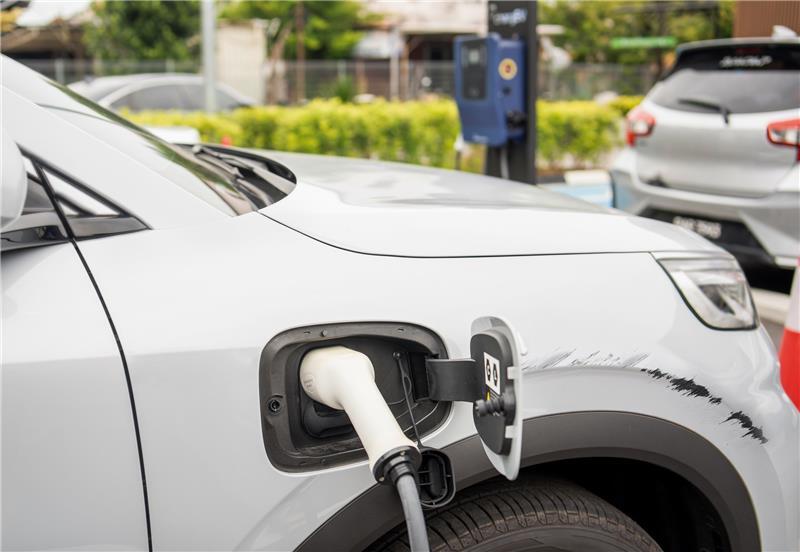









The rapid growth of electric vehicles is reshaping the motoring landscape and creating new opportunities, and challenges, for the insurance sector.
While EVs are praised for their environmental benefits and cutting-edge technology, they also bring unique risks to the table, especially in the aftermath of road accidents.
Our latest report brings attention to a pressing concern: the urgent need for comprehensive reform in how EV batteries are managed and disposed of following collisions.
Unlike traditional petrol or diesel vehicles, EVs rely on powerful lithium-ion batteries, which can be hazardous if damaged. Improper handling after an accident increases the risk of fires, environmental harm, and escalating costs, not just for vehicle owners, but for insurers, repairers, and the public at large.
The report reveals that current industry practices are inconsistent and often lack clear guidance on safe battery management post-accident. This gap puts everyone at risk, from first responders to claims handlers, and can erode customer trust if not addressed.
Key recommendations include:
- Establishing standardised protocols for post-accident EV battery handling across the industry
- Providing specialised training for emergency responders and repair professionals
- Fostering greater collaboration among insurers, manufacturers, and repair networks
So, what can be done? The report calls for standardised protocols across the industry, better training for emergency and repair professionals, and closer collaboration among insurers, manufacturers, and repair networks. These actions are crucial for controlling costs, mitigating risks, and strengthening customer relationships as EV ownership continues tosoar.
Insurers can take a proactive stance by developing and implementing best-practice guidelines for battery assessment, storage, and transportation, in partnership with automotive experts and regulatory bodies. By investing in research and supporting pilot schemes for safe battery recycling and reuse, insurers can not only mitigate risks but also demonstrate industry leadership.
Additionally, insurers have the capacity to use their influence to promote policy changes, encourage transparent reporting of incidents, and incentivise safer practices throughout their networks.
Stay ahead of the curve. Read the full AX report and find out how you can make a difference.

 Previous