






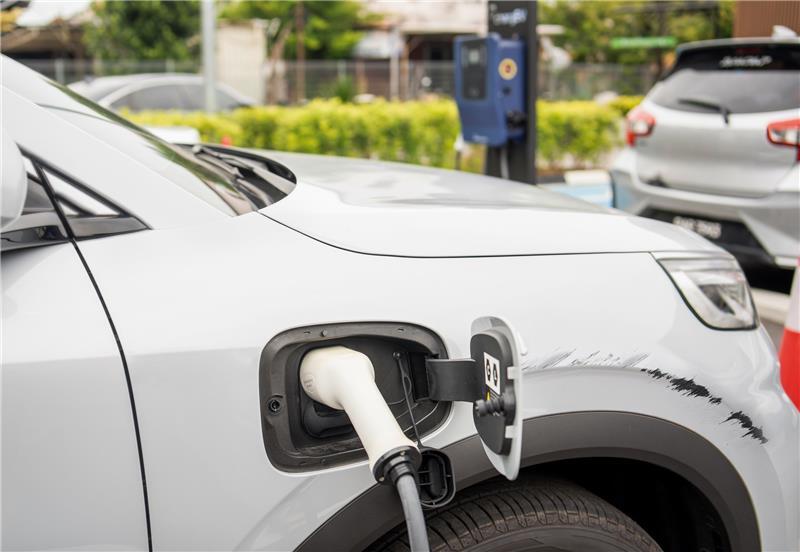






Electric vehicles take longer to repair following an accident and are more costly to fix than traditional combustion-powered vehicles, according to new analysis from AX.
The new AX Repair Index from the accident aftercare specialist revealed that electric vehicle (EV) repair costs (for non-fault accidents) were 19% higher than internal combustion engine (ICE) vehicles and spent 9% longer in the workshop*.
While EVs are mechanically simpler than most ICE cars, the overall repair burden is higher, placing a greater repair strain on the UK accident repair sector which results in increased costs for UK motorists and insurers.
Drawing on data from more than 40,000 accidents handled annually through AX’s nationwide repair network, the new AX Repair Index compares EVs with ICE vehicles, including petrol, diesel and hybrid powertrains.
The index uses ICE vehicles as a baseline score of 100 and measures the relative repair burden created by repair costs and repair duration. EVs achieved an AX Repair Index score of 114, indicating a greater repair burden than their combustion-powered counterparts.
AX Repair Index
|
Vehicle Type |
AX Repair Index |
|
Electric cars |
114 |
|
ICE cars |
100 |
Analysis of repairs completed during the last 12 months found that EV repairs cost an average of £6,363 compared with £5,338 for ICE vehicles, while repair durations averaged 25 days for EVs and 23 days for ICE vehicles.
The findings come as electric vehicle adoption continues to grow in the UK. According to figures from the Society of Motor Manufacturers and Traders (SMMT), more than 473,000 battery electric vehicles were registered in 2025, a 23.9% increase on the previous year, with EVs accounting for 23.4% of all new car registrations. The UK is now one of Europe's largest EV markets.
Scott Hamilton-Cooper, Chief Commercial Officer of AX, said: “The growth of electric vehicles is creating new opportunities and challenges for the accident repair sector. While the gap between EV and ICE repairs is narrowing as repairers gain experience and technology improves, our AX Repair Index shows that electric vehicles still place a greater overall burden on the repair process. This is partly due to more costly EV parts and because they usually require calibration even for small repairs.
“What's important is that the industry continues investing in skills, equipment and repair capability. We have worked closely with our partners and 99% of our repair network is now accredited to work on electric vehicles, ensuring drivers receive the same high standards of service regardless of powertrain type.
“While the gap between EV and ICE repairs is narrowing as repairers gain experience and technology improves, our AX Repair Index shows that electric vehicles still place a greater overall burden on the repair process.”
Scott Hamilton-Cooper, Chief Commercial Officer, AX
“We support the move to a predominantly EV car parc and our EV-for-EV guarantee has been hugely popular. As EV adoption grows, delivering a smooth customer journey will be essential for dealers, fleets, insurers and motorists alike.”
Repair cost and duration
|
Measure |
ICE vehicles | EVs | Difference |
|
Average repair cost |
£5,338 | £6,363 | 19.20% |
|
Average repair duration |
23 days | 25 days | 8.70% |
The AX Repair Index is intended to provide a transparent way to track how repair trends change as UK buyers increasingly choose electrified vehicles. The findings come after AX published its EV Battery Longevity & Post-Accident Outcomes report last year, which explored the growing importance of battery diagnostics and repair processes.

*Average repair costs are 19.2% higher for EVs (non-fault accidents).
Average repair duration is 8.7% longer for EVs (non-fault accidents).
The overall AX Repair Index is calculated by taking the average of the two percentage differences:
-
Cost Index = 119.2
-
Duration Index = 108.7
AX Repair Index = (119.2 + 108.7) ÷ 2 = 113.95 (EV). ICE cars are the baseline 100.
 Previous